
Italian Ruscus
Italian ruscus is signature greenery: pointed deep-green leaves, elegant slightly trailing stems, and a fine silhouette that lengthens bouquets. On FlowersEzGo, it isn’t filler noise — it’s what gives line, movement, and a professional finish to arrangements a local partner prepares and hand-delivers. This page explains why florists choose it, how it behaves in the vase, and how to shop designs that feature it.
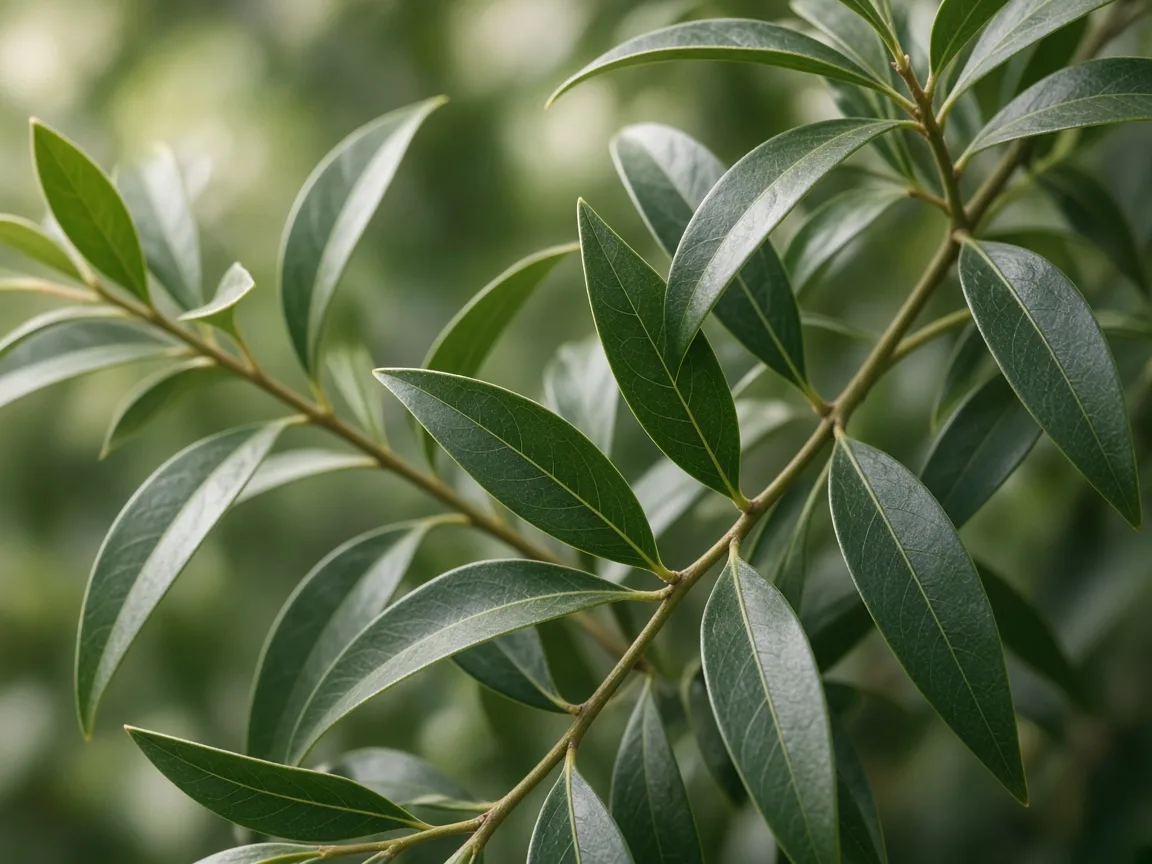
What is Italian ruscus?
Italian ruscus refers to Ruscus stems (often trade forms related to Ruscus hypoglossum) with lance-shaped, dense, glossy foliage. The look is more “elegant line” than salal (broader, woodland) or eucalyptus (airy silver-green): you see pointed leaves that elongate and structure the design.
It isn’t a flower to gift alone like a rose — it’s trade greenery. When you open this type page, you’re looking at compositions where Italian ruscus plays a visible role: cascade, border, or contrast behind the blooms.
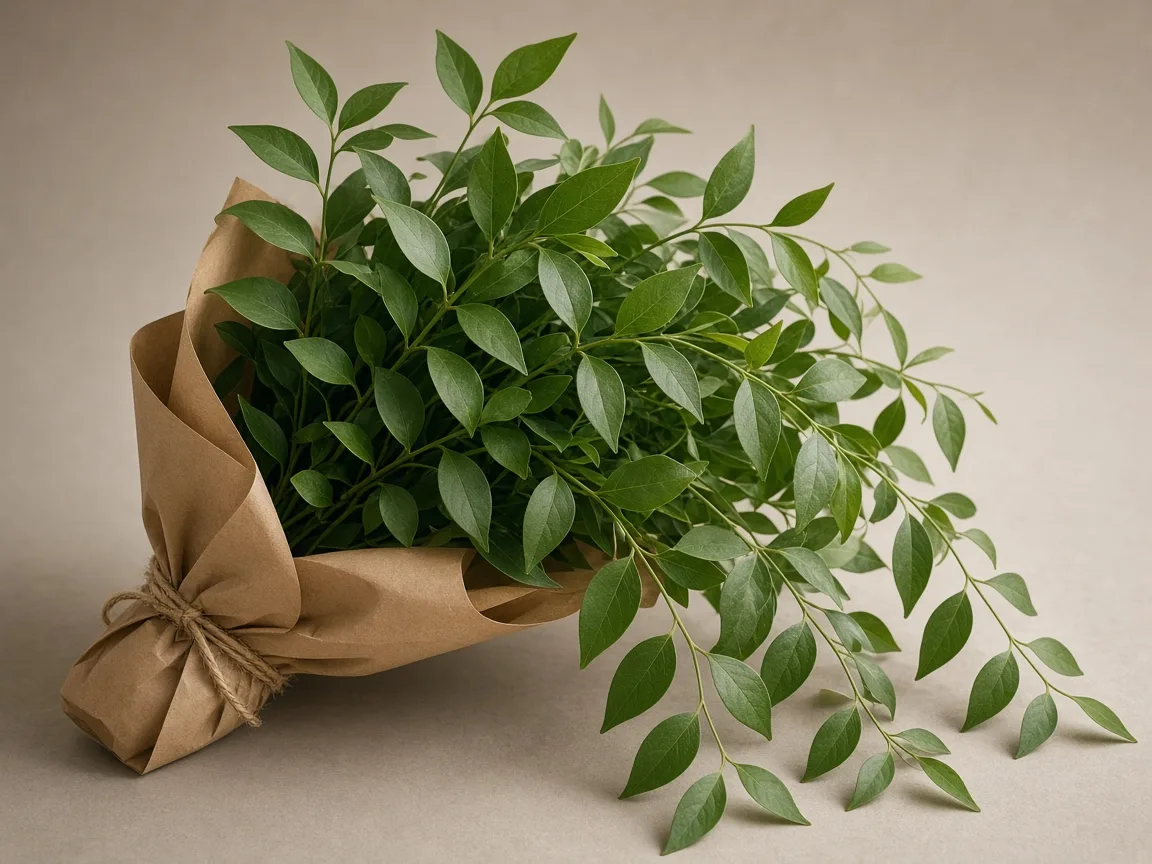
Design roles and good companions
Florists use Italian ruscus to:
- create a fine cascade behind or around main flowers;
- add line and movement without stealing bloom colour;
- present a kraft bouquet with an elongated silhouette;
- bring strong vase life and a stable deep green.
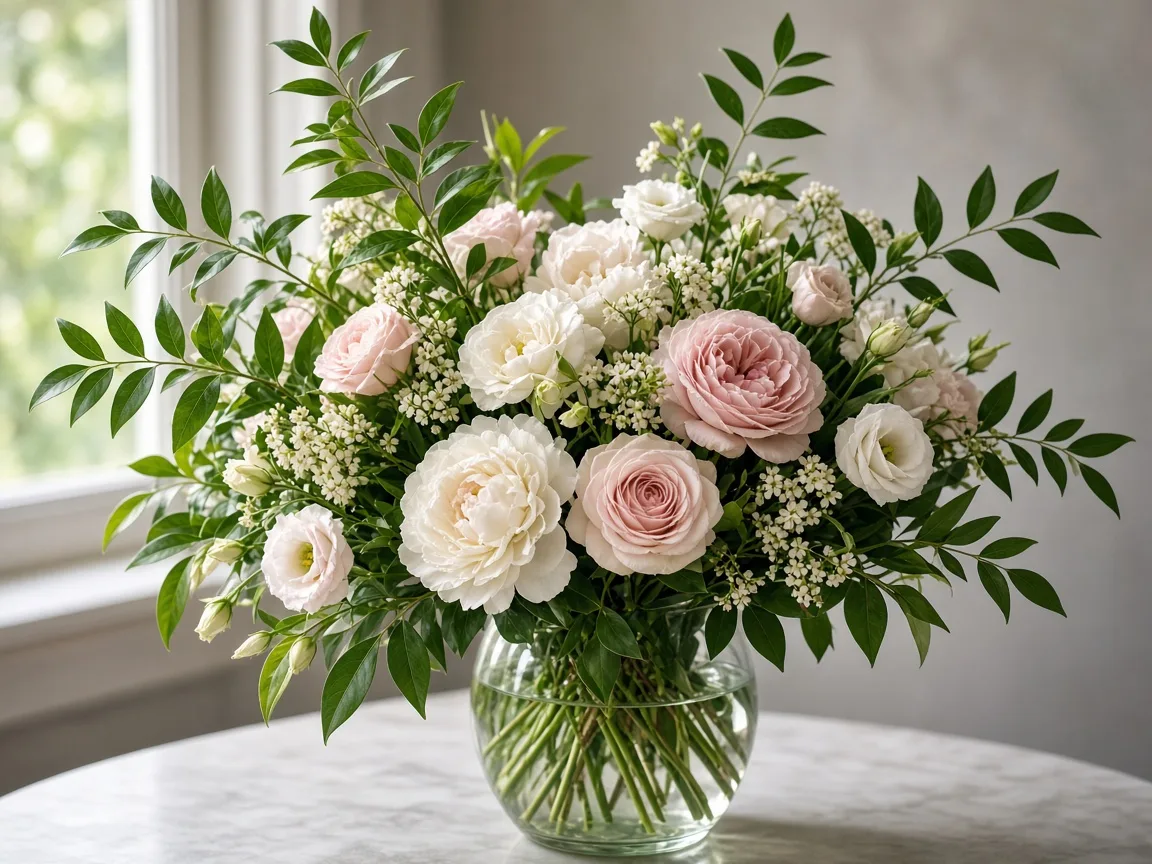
It pairs especially well with roses (white, pink, red), lilies, and classic compositions. For a broader glossy “woodland” green, compare salal; for airy silver-green with seed capsules, seeded eucalyptus.
Occasions and messages
Because it is mainly structural and aesthetic, Italian ruscus appears in almost every occasion: love, thanks, hospital, office, wedding. The message comes from the flowers and the card; the greenery makes the gift look finished on arrival.
If you want an arrangement that is explicitly “very ruscus” or a green cascade behind light blooms, filter designs that feature it in the FlowersEzGo catalog.
Italian ruscus is a year-round workhorse in florist coolers: it travels well, holds shape in kraft wraps, and keeps mixed bouquets looking intentional from the first glance.
Care tip after delivery
Keep stems in clean water with the flowers. Recut lightly if ends brown. Remove damaged leaves. Ruscus often outlasts several cut flowers — you can keep it in the vase after removing spent blooms. Avoid direct sun that can dull the green. Foliage is usually lightly scented — helpful if the recipient is sensitive to strong fragrance.
Ordering arrangements with Italian ruscus on FlowersEzGo
Browse products linked to this type (catalog module), choose date and address, add your message, confirm. Same-day flower delivery appears by area and cutoff. A partner florist designs and hand-delivers — greenery is part of the craft.
Tip: if the photo shows deep lance-shaped green cascading behind flowers, you’re likely looking at Italian ruscus. For broader dense green, see salal; for silver-green with capsules, seeded eucalyptus.
Questions & answers — Italian ruscus
Is Italian ruscus a flower?
No — it’s foliage used to structure and lengthen arrangements.
How does it differ from salal?
Italian ruscus has pointed leaves and a fine cascade line; salal is broader, denser, and more “woodland.”
Can I order it by itself?
In practice you order arrangements where it’s integrated. The catalog shows designs that feature it.
How long does it last in a vase?
Often longer than several cut flowers, if water stays clean and foliage isn’t scorched by sun.
Italian ruscus or seeded eucalyptus?
Ruscus = deep lance green + line. Seeded eucalyptus = airy silver-green + capsules.
Is the scent strong?
Usually very light. A good pick if the recipient is fragrance-sensitive.
Is same-day delivery available?
When the area allows and you order before the cutoff shown at checkout.