
Bear Grass
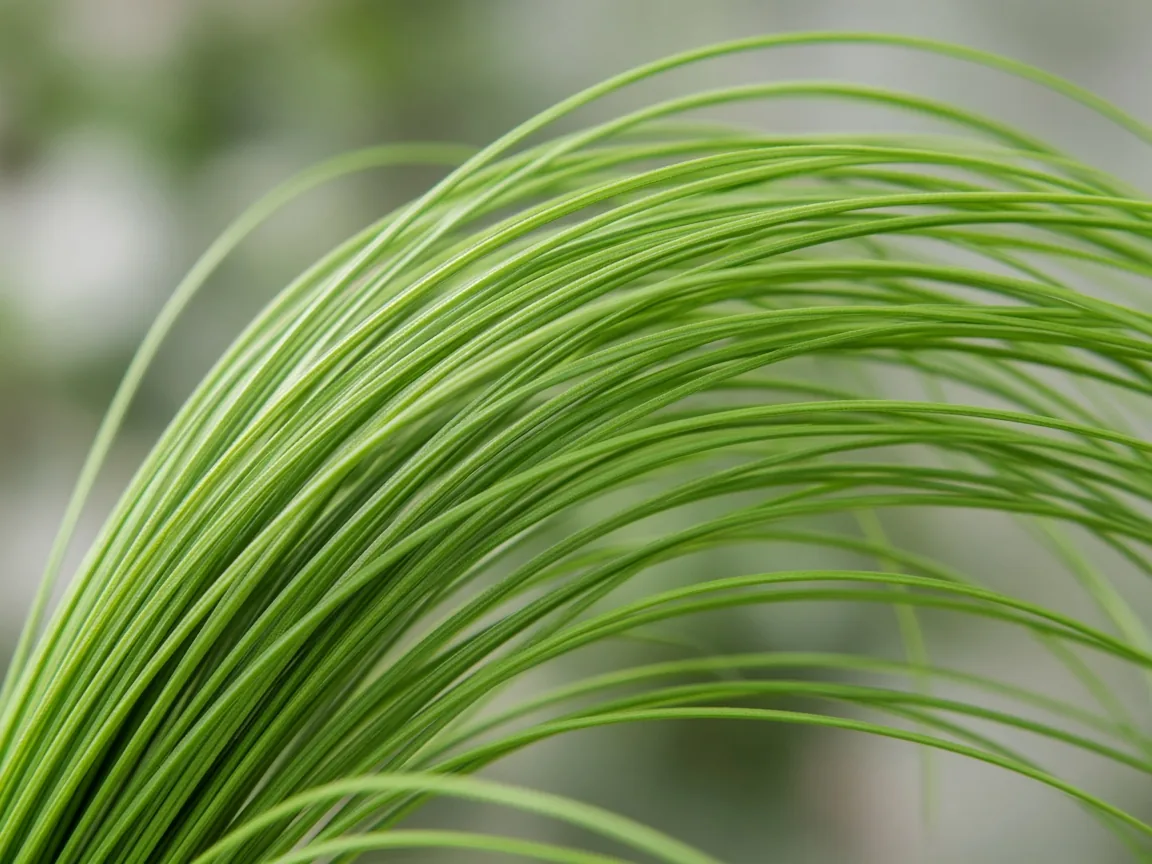
Bear grass (botanical name Xerophyllum tenax) is the greenery with very long, thin, supple, bright green leaves that florists use to draw lines, loops, and movement in a bouquet. It looks understated, yet it changes everything: a few blades are enough to lighten a design and give it a modern, airy feel. On FlowersEzGo, a local florist selects fresh stems, builds the style you picked, and hand-delivers to the address you enter. This page explains what you’re ordering, how bear grass differs from other greenery, and how to enjoy it longer.
What is bear grass?
Despite its name, it is not a true grass: Xerophyllum tenax is a perennial in the Melanthiaceae family, native to western North America, from the mountains of British Columbia down to California. It forms large clumps of evergreen leaves that are long, narrow, and tough—hence its Latin name (tenax: tenacious). Indigenous peoples of the Pacific coast have long used it in basketry.
In floristry, the leaves are sold in bunches and are often wild-harvested. It is not lily grass, which has wider, flat leaves, nor green aspidistra (Batch 12), a large, broad, graphic leaf: here you get blades almost as fine as thread.
Because a local florist builds from that day’s delivery, blade length and shade of green may vary, while still matching the style and price you selected on FlowersEzGo.
Formats, pairings, and look
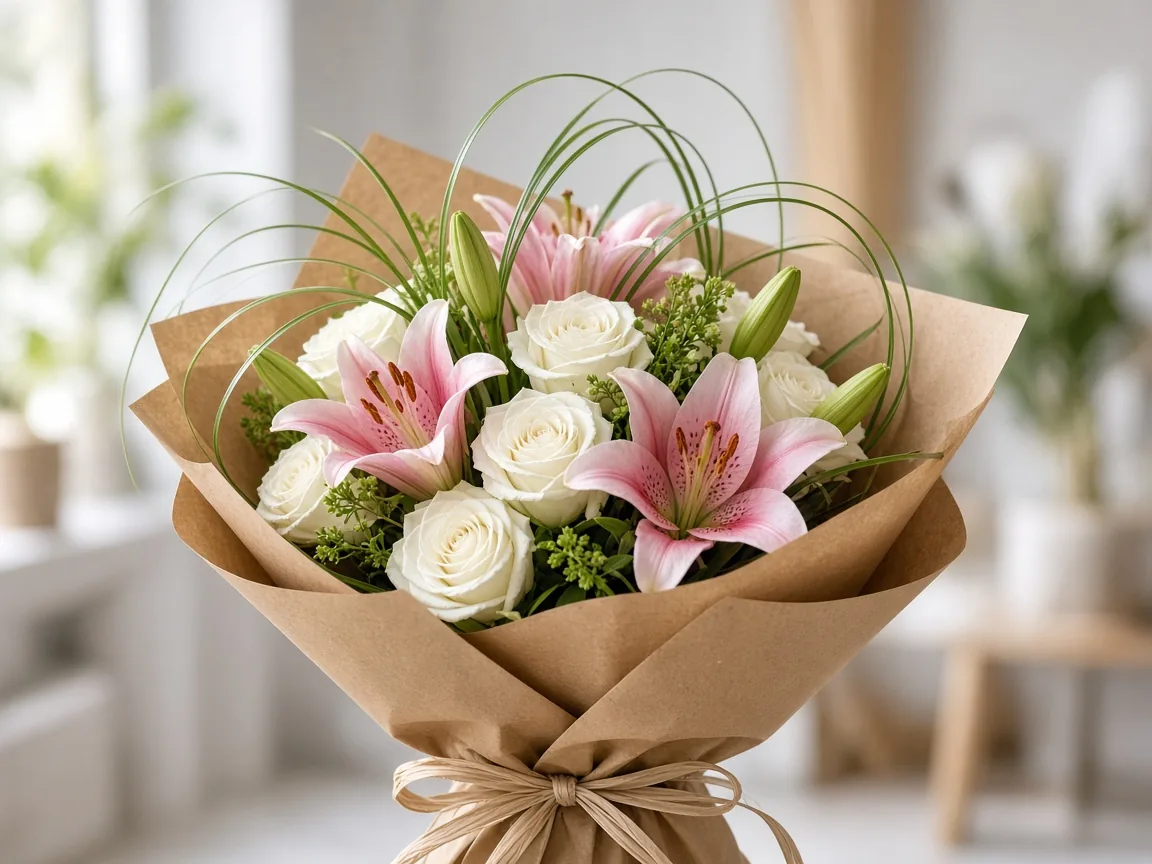
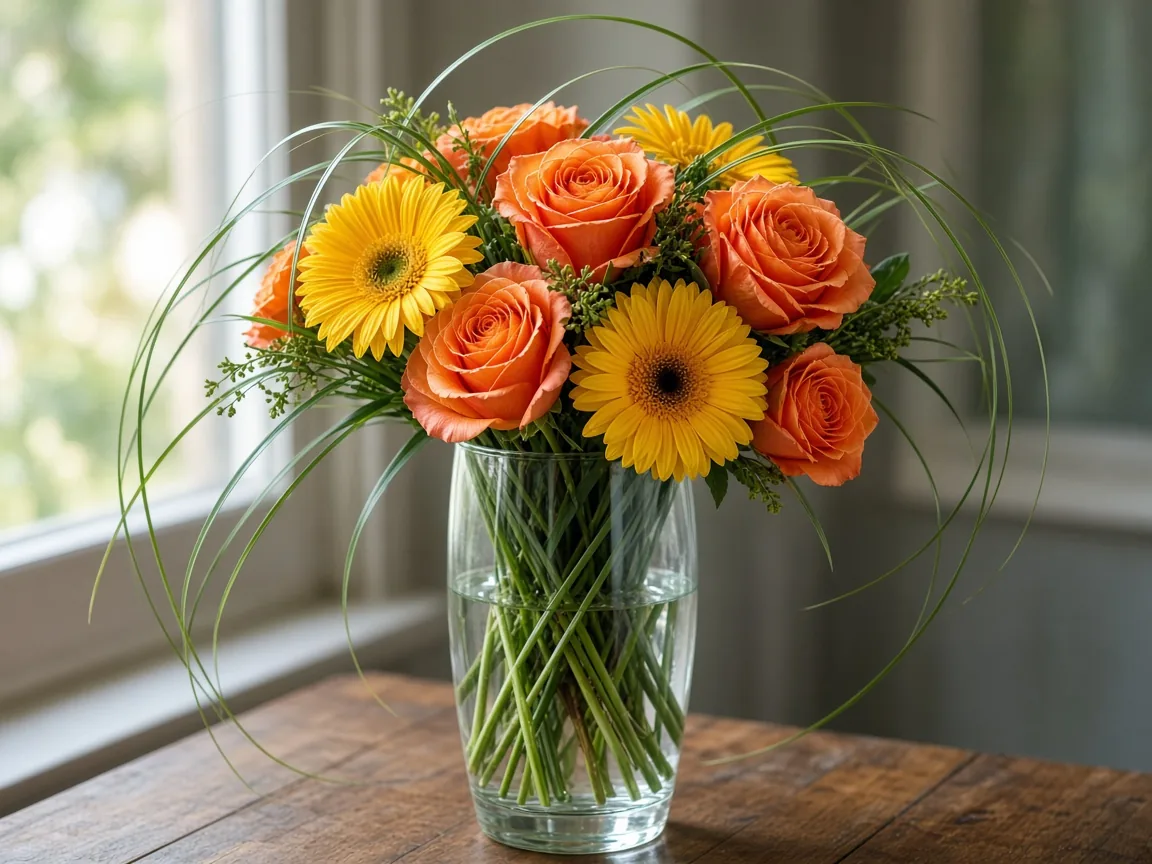
Bear grass is a line green: left straight, it rises above the flowers; bent into loops, tied, or braided, it frames the bouquet. You also see it in contemporary tall-vase arrangements, where a few blades coiled inside the glass create a very graphic effect.
It pairs especially well with:
- sunflower, pink Stargazer lily, and pink gerbera (this batch), to lighten large blooms;
- white roses (Batch 2) or orange roses (Batch 5), for a modern bouquet;
- Italian ruscus (Batch 5), pittosporum (Batch 14), or salal (Batch 3), which provide the leafy base while it draws the lines;
- green aspidistra (Batch 12) or asparagus fern (Batch 13), for a mix of graphic and airy textures.
Bear grass or eucalyptus? Eucalyptus fills and adds scent; bear grass hardly fills at all—it draws. A local florist takes care of it once you order.
Uses and occasions where bear grass shines
Modern bouquets. It brings the design touch that sets a contemporary bouquet apart from a classic one.
Weddings and receptions. Loops in bridal bouquets, blades in centrepieces or tall vases: it is light and easy to work with.
Birthdays and congratulations. With bright flowers, it adds rhythm and a playful feel.
Sympathy. In sprays and tribute arrangements, its fine lines soften large areas of flowers.
Offices and lobbies. Its long vase life makes it a reliable choice for corporate arrangements.
How bear grass evolves in the vase
Florists deliver supple blades in a true green. With good care, bear grass often stays beautiful for 2 to 3 weeks and usually outlasts the flowers it accompanies: you can keep it and add a few fresh blooms. It also tolerates time out of water, which explains its use in loops and braids. The tips may brown over time; simply trim them on a bias with scissors.
Care tip after delivery
Remove the wrap, recut the base of the blades about 2 cm, and place the bouquet in a clean vase with fresh water. Change the water every two days. Avoid undoing the loops made by your florist: they are often discreetly secured. Keep the vase away from direct sun and heat sources.
Pets: bear grass is not presented as pet-safe. Its long, thin blades often attract cats, and eating them can cause vomiting. Keep the vase out of reach.
Buying bear grass on FlowersEzGo
Browse the arrangements below (catalog module), choose the date and full address, add a card message, then confirm. When the area allows, same-day flower delivery appears at checkout before the cutoff. A partner florist prepares and hand-delivers.
Budget tip: a modern bouquet with a few loops; a tall vase with graphic lines; a generous mix with roses and seasonal flowers. Taxes and delivery show before payment.
Also explore the other greenery already published: pittosporum (Batch 14), asparagus fern (Batch 13), green aspidistra (Batch 12), variegated holly (Batch 11), cedar (Batch 10), Emerald Tee Pee (Batch 9), myrtle (Batch 8), and Italian ruscus (Batch 5). City pages confirm local context — they never replace the exact address at checkout.
Questions & answers — bear grass
Is bear grass a real grass?
No. Despite its name, Xerophyllum tenax is not a grass: it is a perennial in the Melanthiaceae family, native to western North America.
How long does bear grass last in the vase?
Often 2 to 3 weeks with clean water; it usually outlasts the flowers in the bouquet.
The tips are turning brown: what should I do?
That’s normal over time. Simply trim the tips on a bias with scissors to keep a clean look.
Bear grass or lily grass: what’s the difference?
Bear grass has very fine, rounded blades, almost like thread; lily grass has wider, flat leaves. Both are used to create lines.
Is bear grass safe for cats?
It is not presented as pet-safe. Cats love to chew fine blades, which can cause vomiting, so keep the vase out of reach.
Can I keep the bear grass after the flowers fade?
Yes. Remove the spent flowers, recut the base, change the water, and add a few fresh blooms for a new bouquet.
Can I get a bouquet with bear grass delivered today?
Yes, when same-day delivery is available for the address and you order before the cutoff shown at checkout.